Master the Fundamentals of Audio Production
- Josh Gross
- Oct 11, 2025
- 4 min read

Creating music that truly connects with your audience takes more than just talent. It requires a solid understanding of the audio production steps that bring your sound to life. Whether you’re leading worship, working with a church band, or crafting songs as a Christian artist, mastering these basics will help you produce music that feels professional and heartfelt.
I want to walk you through the essential stages of audio production. This guide will give you clear, practical advice to improve your recordings and mixes. Let’s dive in and make your music shine.
Understanding the Audio Production Steps
Audio production is a journey from an idea to a finished song. Each step builds on the last, so it’s important to know what to expect and how to prepare. Here’s a simple breakdown of the main stages:
Pre-Production
This is the planning phase. You decide on the song arrangement, choose instruments, and set goals for the recording session. It’s a great time to rehearse and make sure everyone knows their parts.
Tracking (Recording)
This step captures the performances. You record vocals, instruments, and any other sounds. Focus on getting clean, clear takes. Use good microphones and a quiet space to avoid unwanted noise.
Editing
After recording, you clean up the tracks. This might mean fixing timing issues, removing background noise, or choosing the best takes. Editing helps your song sound tight and polished.
Mixing
Mixing is where you balance all the elements. You adjust volume levels, pan sounds left or right, and add effects like reverb or compression. The goal is to create a full, balanced sound that supports the song’s message.
Mastering
The final step prepares your song for distribution. Mastering ensures your track sounds good on all devices and platforms. It also brings the overall volume up to industry standards.
Each of these steps requires attention and care. Don’t rush through them. Taking your time will make a big difference in the final product.
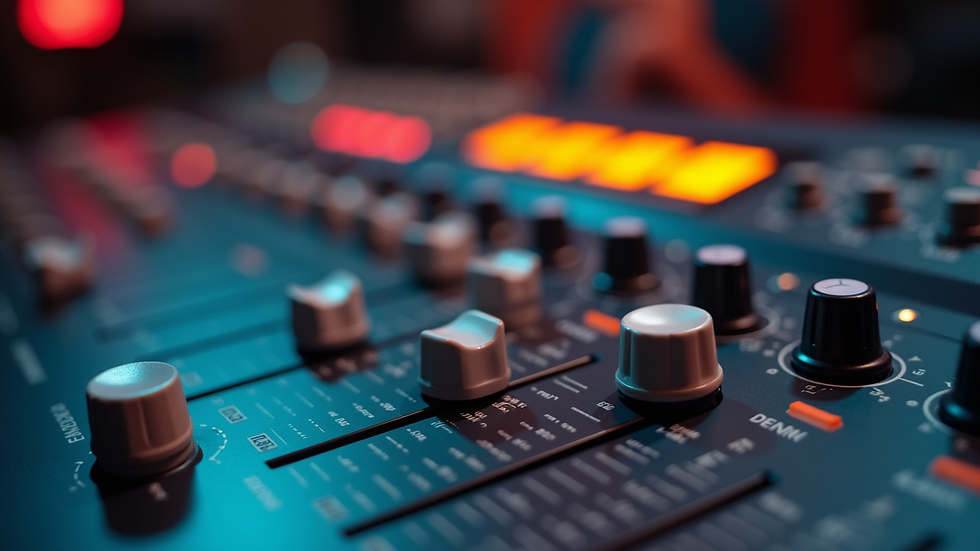
Practical Tips for Each Audio Production Step
Let’s look at some actionable advice for each stage to help you get the best results.
Pre-Production Tips
Plan your session: Write down the song structure and decide on the instruments you’ll use.
Rehearse thoroughly: The better prepared you are, the smoother the recording will go.
Set clear goals: Know what you want to achieve with each track.
Tracking Tips
Choose the right microphone: Different mics suit different instruments and voices.
Record in a quiet space: Background noise can ruin a good take.
Use headphones: This helps performers hear the backing track without it bleeding into the mic.
Editing Tips
Listen carefully: Identify any timing or pitch issues.
Use simple tools: Most DAWs (Digital Audio Workstations) have easy editing features.
Keep it natural: Avoid over-editing, which can make the music sound robotic.
Mixing Tips
Balance levels first: Make sure no instrument overpowers the others.
Use EQ wisely: Cut frequencies that clash and boost those that enhance the sound.
Add effects sparingly: Reverb and delay can add depth but don’t overdo it.
Mastering Tips
Use reference tracks: Compare your song to professional recordings.
Check on different devices: Listen on headphones, speakers, and phones.
Keep it consistent: Make sure the volume and tone match across all songs if you’re working on an album.

Why Hiring a Music Producer is Worth It
Investing in a music producer can significantly enhance the quality and reach of your audio projects. Here are some compelling reasons to consider hiring a professional:
Expertise and Experience: Music producers bring a wealth of knowledge and experience to the table. They understand the nuances of sound engineering, arrangement, and mixing, which can elevate your music to a professional standard.
Enhanced Sound Quality: A skilled producer knows how to optimize recordings to ensure clarity, balance, and richness in sound. This attention to detail can make a substantial difference in how your music is perceived by listeners.
Creative Collaboration: Producers often act as creative partners, helping artists refine their vision and explore new ideas. Their fresh perspective can lead to innovative sounds and arrangements that you may not have considered.
Industry Connections: Established producers typically have extensive networks within the music industry. They can connect you with other professionals, including musicians, engineers, and record labels, which can open doors for future opportunities.
Time-Saving: Producing music can be a time-consuming process. Hiring a producer allows you to focus on your creative work while they handle the technical aspects, ultimately speeding up the production timeline.
For worship leaders and churches, the impact of a skilled audio producer can be transformative. A professional can help your music resonate with a broader audience and achieve its full potential, making the investment truly worthwhile.
If you’re interested in partnering with an expert, check out JD Gross Audio for audio services tailored to worship music.
Essential Gear for Audio Production Steps
You don’t need the most expensive equipment to get started, but having the right tools makes a big difference. Here’s a list of essentials:
Audio Interface: Connects your instruments and microphones to your computer.
Microphones: A good vocal mic and an instrument mic are a great start.
Headphones: Closed-back headphones help with accurate monitoring.
Digital Audio Workstation (DAW): Software like Pro Tools, Logic Pro, or Ableton Live for recording and mixing.
Studio Monitors: Speakers designed for accurate sound reproduction.
Start with what fits your budget and upgrade as you grow. Remember, skill and knowledge matter more than gear.

Final Thoughts on Mastering Audio Production Steps
Mastering the fundamentals of audio production is a rewarding journey. It takes patience, practice, and a willingness to learn. By following these steps and tips, you’ll create music that not only sounds professional but also carries the heart of your message.
Remember, the goal is to serve your ministry and audience with clear, powerful sound. Keep experimenting, stay curious, and don’t hesitate to seek help from experienced professionals. Your music deserves to be heard in the best possible way.
If you want to dive deeper into the world of audio production, JD Gross Audio is here to support you every step of the way. Together, we can make your music ministry shine.
Happy producing!

Comments